
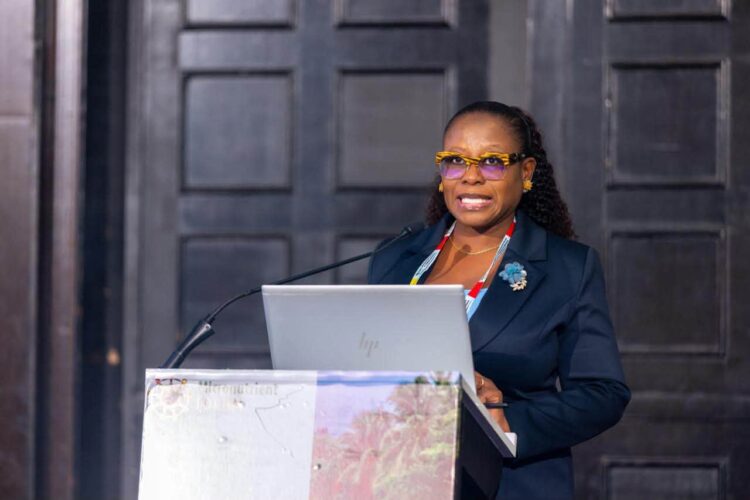
The Director-General of the National Development Planning Commission (NDPC), Dr Audrey Smock Amoah, has called for stronger implementation, financing and reporting mechanisms to translate Ghana’s nutrition commitments into measurable results for women and children.
Dr Amoah made the call at a breakfast meeting on government leadership, health systems and nutrition held in Accra on Thursday, October 1, 2026, as part of the Micronutrient Forum Global Conference.
Held under the theme, “From Commitment to Action: Government Leadership for Sustainable Nutrition in Ghana,” the meeting brought stakeholders together to examine how Ghana can strengthen action on nutrition and improve outcomes for mothers and children.
According to Dr Amoah, nutrition must be integrated across the various stages of Ghana’s development planning process, from planning and budgeting to implementation and reporting.
She said the national development planning framework provided a basis for integrating nutrition priorities into government programmes and budgets, but stressed the need to ensure that those commitments were effectively implemented and monitored.
“Whoever you are, the fact that you are in this room means that there is something we should be doing, and let us do it now,” she said, urging stakeholders to move beyond commitments and focus on concrete action.
The Executive Director of Women, Media and Change (WOMEC), Dr Charity Binka, said nutrition should be treated not only as a health issue but also as an investment in human capital and Ghana’s future development.
“Our mission should move from commitment to five-year priorities, from five-year priorities to implementation, and from implementation, we have to have measurable results,” she said.
A representative of the Eleanor Crook Foundation said the meeting provided an opportunity for stakeholders to examine Ghana’s efforts to address malnutrition and identify further actions needed to ensure mothers and children have access to essential nutrition interventions.

0 Comments