
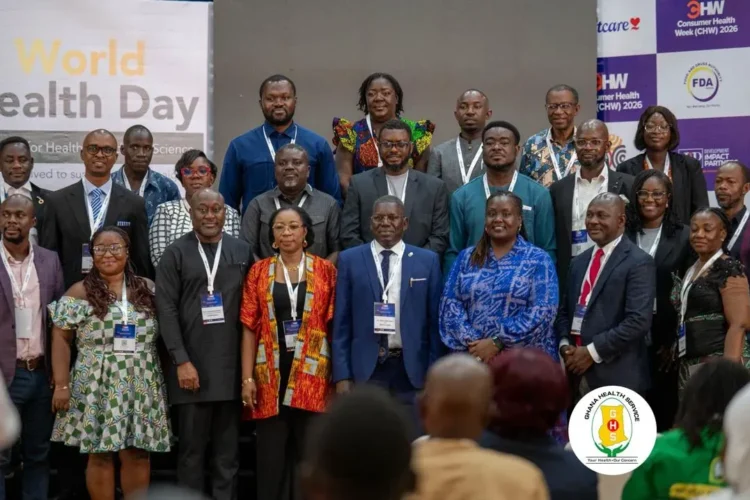
Consumer Health Week 2026 has been officially launched in Accra, with stakeholders across Ghana’s health sector rallying efforts to improve health literacy and empower citizens to make informed healthcare decisions.
The Consumer Health Week is being organised by Development Impact Partners in collaboration with the Ghana Health Service (GHS), with support from Softcare.
It is anchored on World Health Day, observed on April 7, and aims to promote patient safety, strengthen trust in healthcare systems, and enhance public access to reliable health information.
The official launch, held at the Ghana Academy of Arts and Sciences from April 7 to 8, brought together government officials, health professionals, development partners, civil society organisations, and the media for policy dialogue and public engagement on consumer health.
Speaking on behalf of the Director-General of the GHS, Deputy Director-General Dr Caroline Reindorf Amissah described consumer health as essential to improving health outcomes.
She noted that beyond individual choices, consumer health reflects how citizens access healthcare services, interpret medical information, and use medicines responsibly.
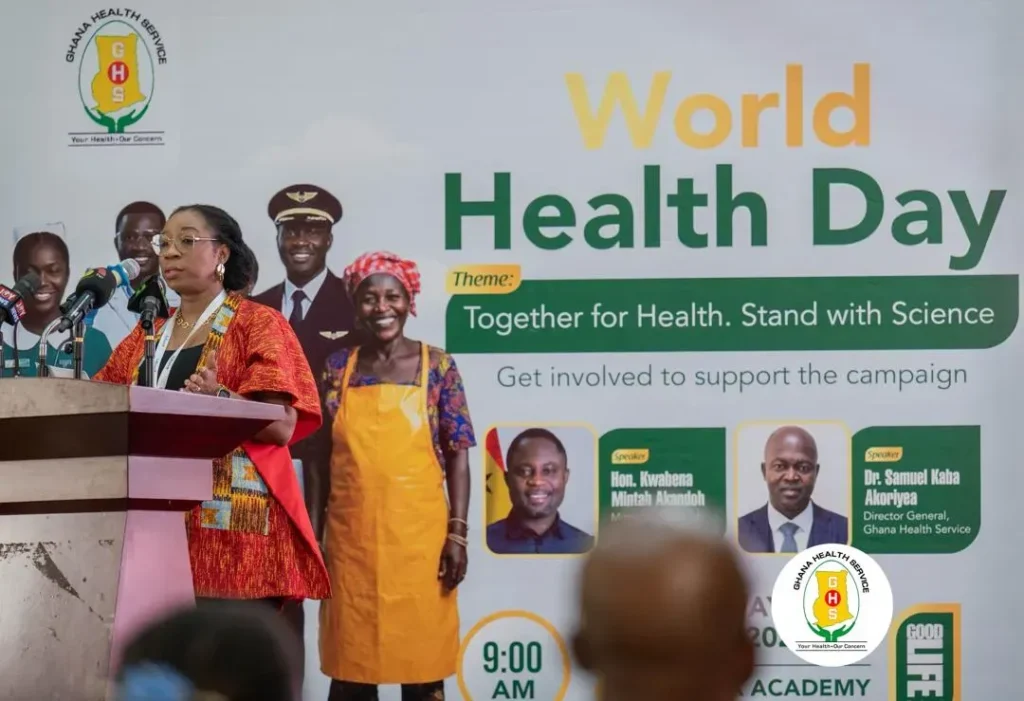
According to her, the initiative seeks to build “healthy citizenship” by equipping Ghanaians with the knowledge and confidence to actively participate in their healthcare and engage effectively with the health system.
She further stressed that well-informed citizens are key to building a resilient and people-centred health system, adding that health literacy must be integrated into community outreach, patient communication, and service delivery at all levels.
The event is being held under the 2026 World Health Day theme, “Together for Health, Stand with Science,” which highlights the importance of evidence-based decision-making in addressing misinformation and strengthening trust in healthcare.
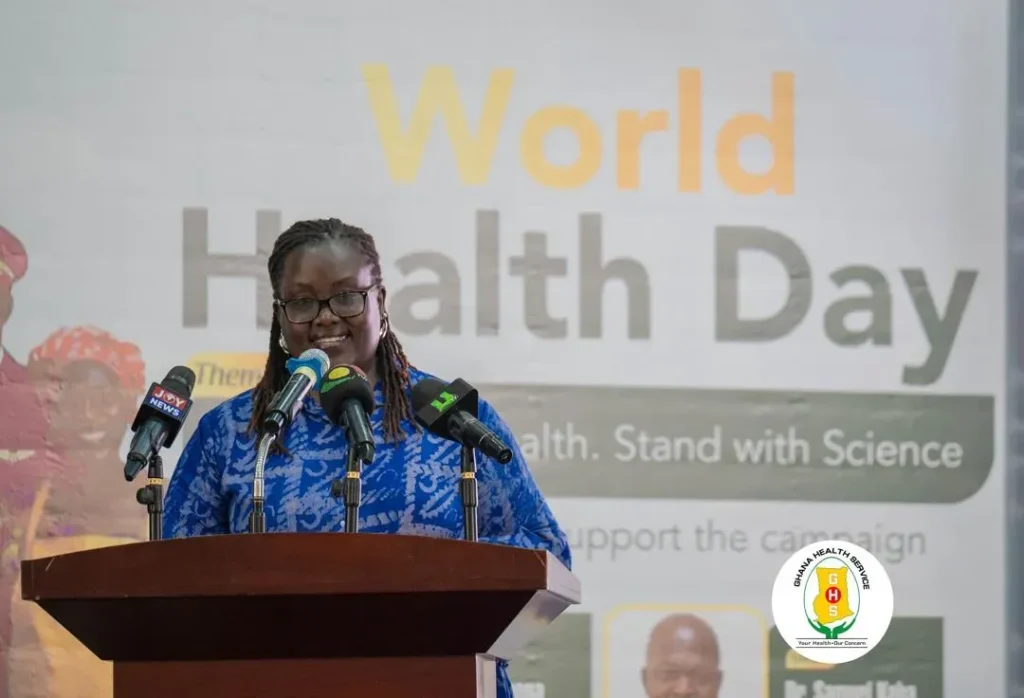
Representing the Minister of Health, Dr Hafiz Adams Tahiru underscored the role of science in driving public health progress, pointing to gains in disease control, immunisation, and emergency response systems.

He called for sustained investment in research, innovation, and evidence-based practices.
World Health Organization Country Representative, Dr Fiona Braka, also reaffirmed WHO’s support for Ghana, urging continued collaboration, investment in early warning systems, and the use of digital tools to expand access to health information.
As part of the week-long programme, activities include community health screenings, public education campaigns, policy discussions, and a Consumer Health Engagement, Learning and Innovation Fair.
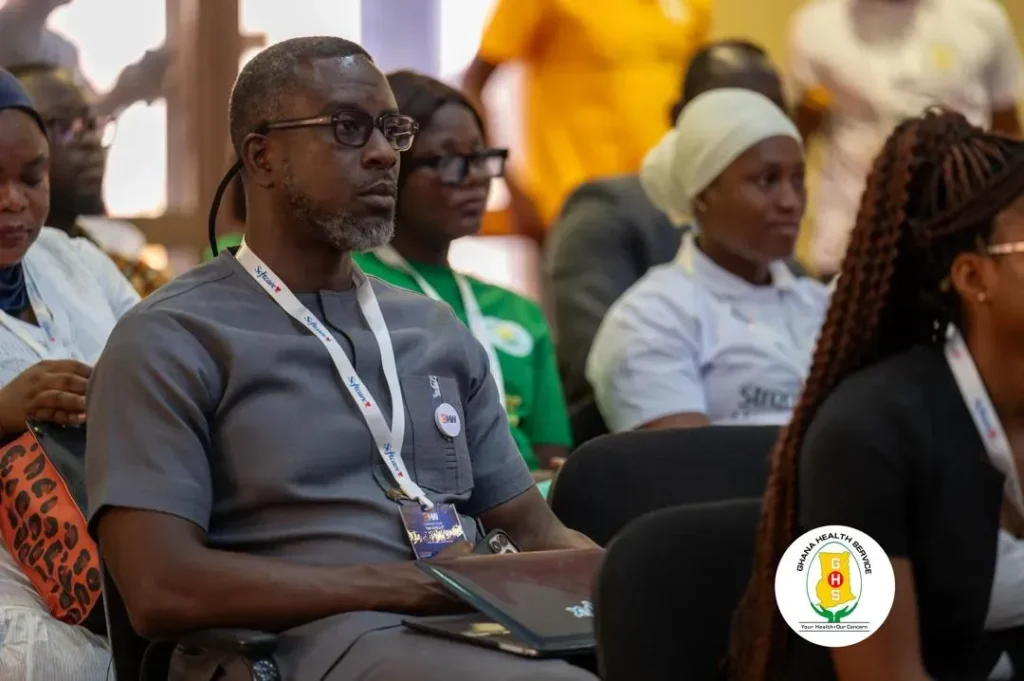
The fair provides a platform for health institutions and innovators to showcase solutions while promoting responsible and ethical healthcare practices.
Consumer Health Week 2026 is expected to improve public awareness, strengthen partnerships within the health sector, and generate policy recommendations to support a more inclusive and responsive healthcare system.
The Ghana Health Service emphasised that the initiative marks a significant step towards placing individuals at the centre of healthcare, ensuring that all Ghanaians are informed, empowered, and able to access safe and quality health services.


0 Comments