
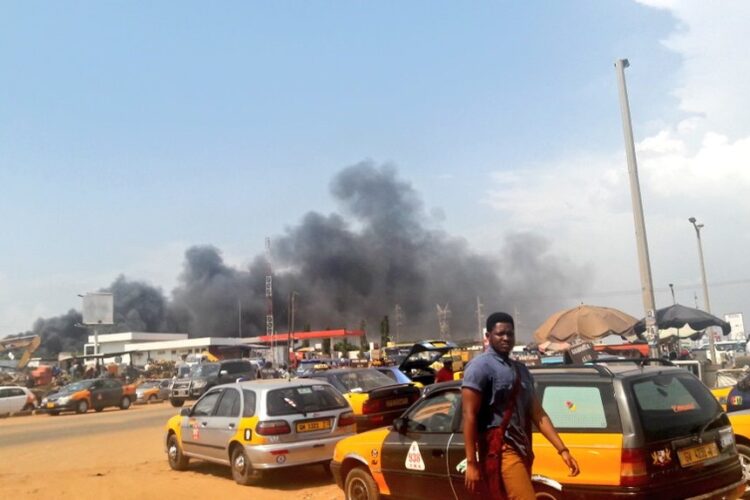
The Vision for Accelerated Sustainable Development, Ghana (VAST Ghana), has called on the government to prioritise air pollution as a major public health concern and integrate it into the country’s national response to non-communicable diseases (NCDs).
This call follows the launch of a new policy brief titled “Breathing Crisis: Making Air Pollution a Priority in Ghana’s National NCD Response” on March 24, 2026. The report outlines the growing health, environmental, and economic burden of air pollution in Ghana and proposes policy measures to address the challenge.
According to VAST Ghana, air pollution remains one of the most significant yet overlooked drivers of NCDs globally, contributing to conditions such as cardiovascular diseases, stroke, chronic respiratory illnesses, lung cancer, diabetes, and mental health disorders. Globally, it is the second leading risk factor for early death, accounting for an estimated 7.9 million premature deaths each year, with over 90 percent occurring in low- and middle-income countries.
In Ghana, worsening air quality is linked to rapid urbanisation, vehicle emissions, open burning of waste, industrial pollution, and the widespread use of solid fuels for cooking. Urban centres such as Accra and Kumasi frequently record air pollution levels above safe limits, particularly during the Harmattan season.
The report also highlights the economic impact of air pollution, with the World Bank estimating that related health and productivity losses cost Ghana approximately 4.2 percent of its Gross Domestic Product annually. Additionally, the Global Air 2025 report attributes over 23,000 deaths in Ghana in 2023 to household air pollution from solid fuels, including significant fatalities among children and older adults.
VAST Ghana identified several gaps in the country’s current NCD response, noting that air pollution is often treated primarily as an environmental issue rather than a key health risk factor. The organisation also cited limited integration of air pollution data into national health surveillance systems, weak coordination among relevant institutions, and low public awareness of the health risks associated with pollution.
The group warned that failure to address air pollution could place additional strain on national health interventions, including the Ghana Medical Trust Fund (Mahama Cares), due to rising chronic disease cases.
To address these challenges, VAST Ghana is urging the government to incorporate air pollution prevention and control strategies into the next National NCD Policy, strengthen inter-agency coordination, expand air quality monitoring systems, and enforce environmental regulations.
Other recommendations include restricting the importation of high-emission vehicles, promoting cleaner transport and renewable energy solutions, introducing pollution taxes, and intensifying public education on the dangers of air pollution.
VAST Ghana emphasised that tackling air pollution requires coordinated national action, involving government, civil society, the private sector, and development partners.
The organisation called on policymakers to take urgent steps to safeguard public health, stressing that clean air is essential for the well-being of current and future generations.



0 Comments