

The Greater Accra Regional Minister, Hon. Rita Akweley Ocloo, has expressed concern about the growing public dissatisfaction with emergency healthcare services, particularly the persistent “no bed syndrome,” where critically ill patients are referred from one facility to another due to a lack of available beds. She noted that the situation has become a major concern for many residents and continues to undermine confidence in the health system.

The Minister made these remarks at the 2025 Annual Performance Review of the Greater Accra Regional Health Directorate, which brought together key stakeholders in the health sector to evaluate progress, address ongoing challenges, and propose practical strategies to improve healthcare delivery across the region. The meeting provided an opportunity for health professionals, policymakers, and partners to reflect on the state of the sector and identify priority areas requiring urgent attention.
Sharing a personal experience, Hon. Ocloo revealed that she had recently lost her baby due to what she described as medical negligence. She stressed that such painful experiences reflect broader systemic gaps that must be urgently addressed. According to her, there is a need for improved accountability, better patient care, and stronger systems to prevent avoidable loss of lives.

In his keynote address, the Regional Director of Health Services, Dr. Robert Amesiaya, also highlighted the impact of the “no bed syndrome” on patient outcomes. He cited a recent case involving an engineer who reportedly sought care at the Police Hospital, Ridge Hospital, and later the Korle-Bu Teaching Hospital but unfortunately did not survive. He noted that such incidents point to serious gaps in coordination and emergency response within the healthcare system.
Dr. Amesiaya emphasized the need for improved coordination among health facilities to ensure that patients in critical condition receive timely care. He called for the establishment of effective rapid response systems and better communication between hospitals to reduce delays in treatment. Strengthening collaboration across facilities, he noted, is essential to improving emergency care delivery and restoring public trust.
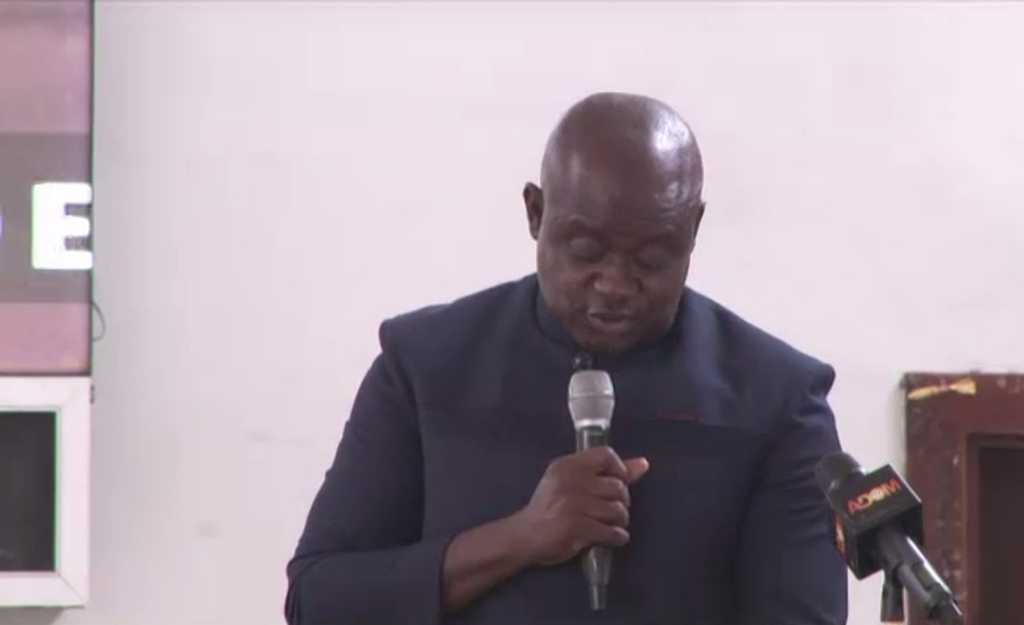
The review meeting also provided a platform for participants to openly discuss these challenges, share experiences, and propose practical solutions aimed at improving service delivery. Key discussions focused on enhancing referral systems, improving communication between facilities, and ensuring the efficient use of available resources.
Dr. Amesiaya stressed that every patient deserves timely and appropriate care, especially in emergency situations. He urged all stakeholders to commit to innovative and practical interventions that will strengthen the health system and prevent unnecessary deaths.
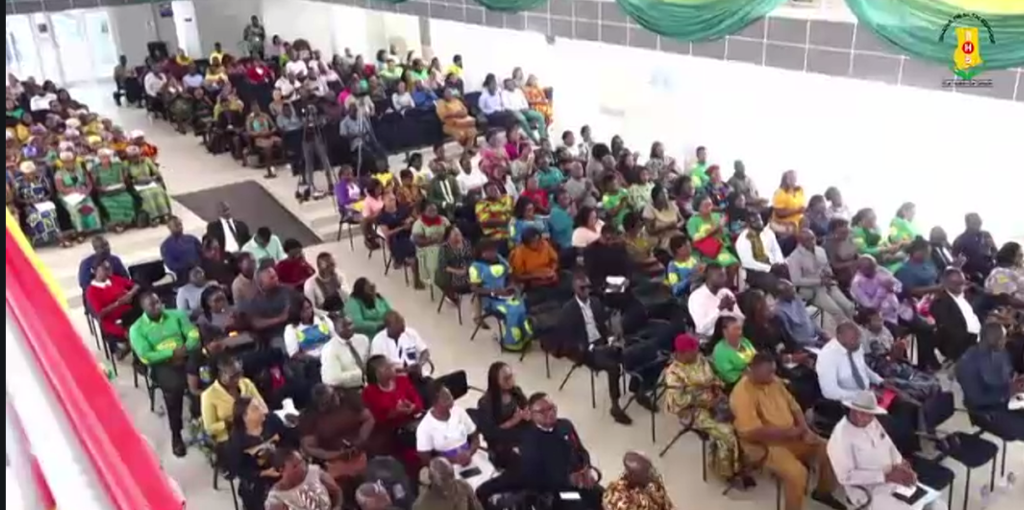
The meeting concluded with a renewed call for collective action among government agencies, healthcare workers, and community stakeholders. Both the Regional Minister and the Regional Director expressed optimism that with improved coordination, accountability, and sustained effort, the region can address its current challenges and significantly improve healthcare outcomes.



0 Comments