
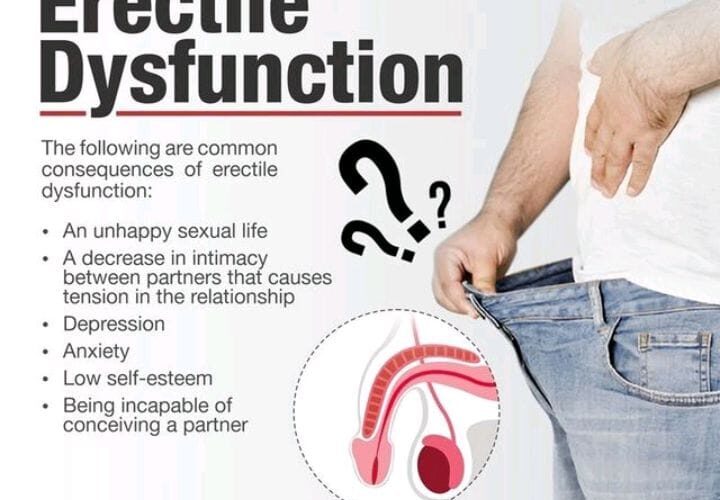
While erectile dysfunction (ED) is often associated with older age, it is increasingly common in men in their 20s, affecting an estimated 8% to 22% of this age group. In younger men, causes are more frequently psychological or lifestyle-related, though physical issues are significant “red flags” for future health.
1. Psychological Factors
Psychological issues are considered the most common root of ED for men under 40.
- Performance Anxiety: Worrying about “performing” well can trigger an adrenaline response that physically shuts down an erection.
- Stress and Anxiety: High pressure from career, finances, or education causes the body to prioritize “survival” over sexual arousal.
- Depression: Clinical depression and low self-esteem can severely reduce libido and disrupt the brain’s sexual response signals.
- Relationship Issues: Communication barriers, lack of trust, or emotional distance with a partner can prevent the intimacy needed for an erection.
- Porn-Induced ED: Excessive consumption of high-intensity pornography may desensitize the brain to real-life sexual stimulation, leading to a loss of arousal with partners.
2. Lifestyle Habits
Your daily choices directly impact blood flow and hormonal health.
- Substance Use: Recreational drugs (like cocaine or marijuana) and excessive alcohol (“whiskey dick”) can damage nerves and interfere with brain-to-penis signaling.
- Smoking and Vaping: Nicotine constricts blood vessels and reduces nitric oxide, which is essential for widening the arteries to allow blood into the penis.
- Poor Diet and Inactivity: A sedentary lifestyle and diets high in processed sugars can lead to obesity and early vascular damage.
- Lack of Sleep: Poor sleep quality and disorders like sleep apnea disrupt testosterone production and increase stress hormones.
3. Physical and Medical Conditions
In roughly 15–20% of cases in young men, ED is caused by an underlying medical issue.
- Vascular Issues: Early signs of heart disease, high blood pressure, or high cholesterol can restrict the blood flow necessary for a firm erection.
- Diabetes: High blood sugar damages both the blood vessels and the nerves responsible for an erection.
- Hormonal Imbalance: While rare in 20-year-olds, low testosterone, thyroid issues, or high prolactin can cause ED.
- Medication Side Effects: Antidepressants (specifically SSRIs), hair loss medications (like finasteride), and blood pressure drugs are common culprits.
- Anatomical Issues: Conditions like Peyronie’s disease (penile curvature due to scar tissue) or injuries to the pelvic area can physically obstruct erections.



0 Comments