

As Ghana joined the rest of the world on March 4th to mark World Obesity Day under the theme #8BillionReasons to Act on Obesity, a Nutrition Expert who serves as the Regional Health Nutrition Officer of the Central Region, Rachael Effe Asabo Mensah, has raised concerns about the rising rate of obesity in Ghana, warning that the condition is increasingly affecting not only adults but children as well.

According to her, misinformation and unhealthy lifestyle choices are significantly contributing to the growing burden of obesity. She explained that many individuals have “heard wrongly” about exclusive breastfeeding, leading to poor infant feeding practices. “Exclusive breastfeeding for the first six months of life is protective,” she emphasized. “It helps regulate a child’s metabolism and reduces the risk of obesity later in life.” Unfortunately, myths and misconceptions continue to discourage some mothers from adhering to this critical practice.

Ms. Mensah further highlighted changing lifestyles as a major contributing factor. She noted that modern living has reduced daily physical activity, with many people aspiring to own cars at the expense of walking or engaging in regular exercise. “We have created environments where movement is limited. Physical inactivity has become common, and this directly contributes to weight gain,” she said.

She also expressed concern about the school environment, particularly in some private institutions that lack adequate playgrounds. Without proper playing grounds, children have limited opportunities to engage in physical activities that help them burn calories and maintain a healthy weight. Sedentary routines, coupled with academic pressure and screen time, further reduce activity levels among children.

Equally troubling, she noted, is the dietary pattern among families. Many parents, often unknowingly, provide children with high-calorie foods and sweetened beverages. Frequent consumption of sugary drinks, processed snacks, and oversized portions exposes children to early weight gain and increases their likelihood of becoming overweight adults. “What we feed our children today determines their health tomorrow,” she stressed.

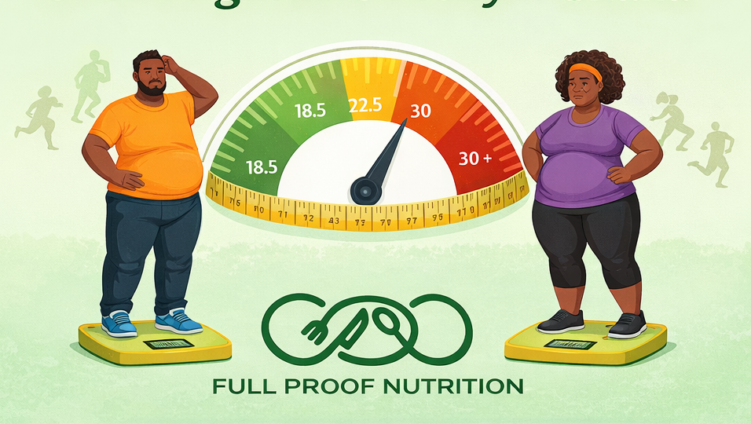
The Health Nutrition Expert underscored that obesity is not merely about body size but is a disease with strong links to non-communicable diseases (NCDs). She explained that obesity has a high correlation with hypertension (HPT), diabetes mellitus (DM), fertility challenges, and other chronic conditions. As these diseases continue to rise in Ghana, obesity remains a significant underlying risk factor.
Globally, obesity affects over one billion people, with nearly 40% of Ghanaians classified as overweight or obese. These alarming statistics underscore the urgency of action.
As part of the World Obesity Day campaign, she encouraged citizens to join the movement and share their reasons to act on obesity.
Take Action:
🎯 Share your reason on social media
🎯 Educate yourself and others
🎯 Support healthy lifestyle initiatives
🎯 Advocate for policies that promote healthy environments
She called for a multi-sectoral approach involving families, schools, communities, and policymakers to promote healthy eating, encourage physical activity, and correct misinformation. Addressing obesity early, she concluded, is essential to safeguarding the health and future of Ghana’s population.
She finally called on the public to unite with SASNET Ghana to combat obesity together.
With eight billion reasons to act, the message is clear: addressing obesity today is an investment in a healthier Ghana tomorrow.

0 Comments