

The Director-General of the Service, ), Dr Samuel Kaba Akoriyea, has directed the Navrongo Health Research Centre and the Kintampo Health Research Centre to intensify investigations into the recurring seasonal meningitis outbreaks in Ghana’s meningitis belt, with the aim of identifying their root causes and proposing lasting, evidence-based solutions.
The directive was issued during a high-level visit to the meningitis belt to assess preparedness, engage stakeholders and strengthen collaboration in tackling the disease.
Accompanied by Council Members Dr. Gina Teddy and Dr. Michael Kofi Amedi, the Director-General, Dr. Akoriyea, held separate meetings with management and research teams at the Navrongo Health Research Centre in the Upper East Region and the Kintampo Health Research Centre in the Bono East Region.
Addressing researchers, he expressed concern about the persistent outbreaks that occur mainly during the dry season and continue to claim lives. He stressed the need for clear scientific evidence to explain the seasonal pattern and guide national interventions, policies and resource allocation.
According to him, research must play a leading role in shaping healthcare delivery and public health decisions. He underscored that preventable deaths remain a heavy burden on the Service and the nation, adding that protecting lives must remain a priority.

Ghana falls within Africa’s meningitis belt, where outbreaks typically occur between December and May. While factors such as dry winds, dust, overcrowding and limited access to healthcare have been linked to increased transmission, the Director-General called for locally generated data to clearly establish why outbreaks peak during specific months, the environmental and social drivers of transmission, gaps in vaccination coverage and surveillance, and effective community-specific prevention strategies.
The visit also sought to strengthen collaboration among research centres, regional health directorates, community leaders and policymakers.
The Director-General urged the institutions to produce actionable recommendations to support early warning systems, enhanced surveillance, rapid response mechanisms and sustained community education.
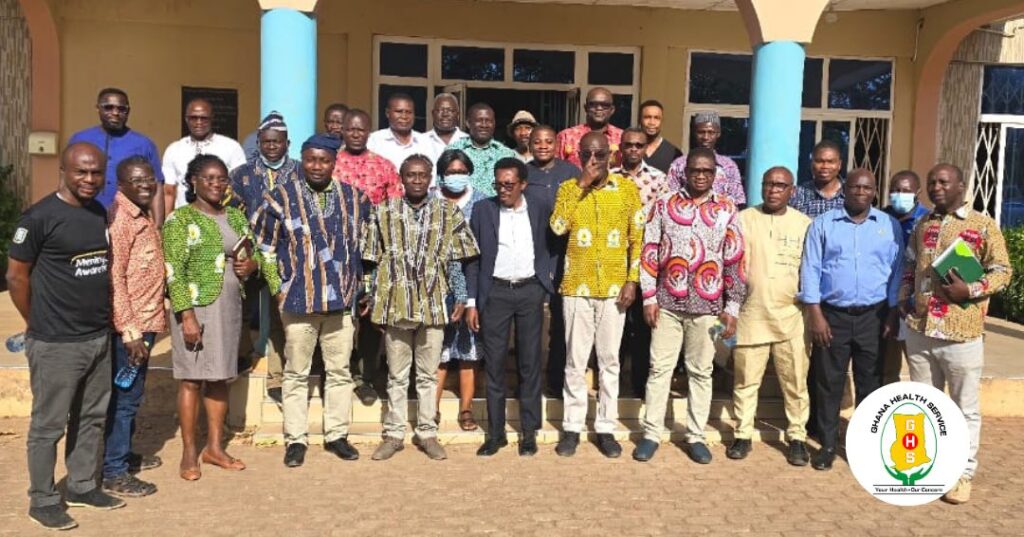
He assured the centres of management’s full support in advancing studies that would enable Ghana to move from reactive outbreak response to proactive prevention.
Expressing optimism in the expertise of the two research institutions, he said their work would be critical to helping the country better understand meningitis trends and implement targeted measures to safeguard lives across the meningitis belt.
He urged researchers to act with urgency in generating evidence that will help end the recurring outbreaks.


0 Comments