
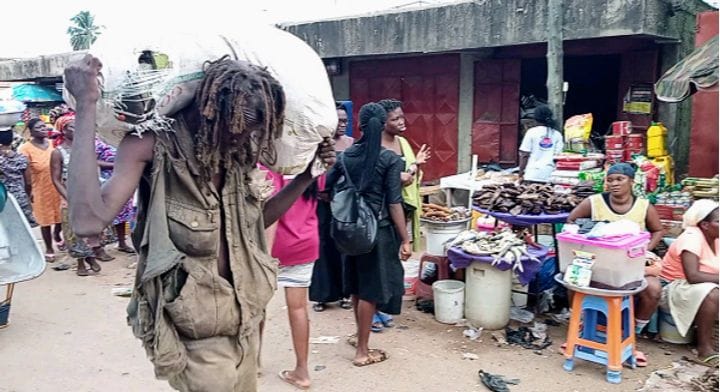
Ghana’s mental health landscape is undergoing a critical transition as growing public concern collides with long-standing systemic gaps and renewed national advocacy. With rising cases of suicide, increasing youth stress, and heightened awareness of mental wellbeing, the issue is steadily moving from the margins to the centre of national discourse.
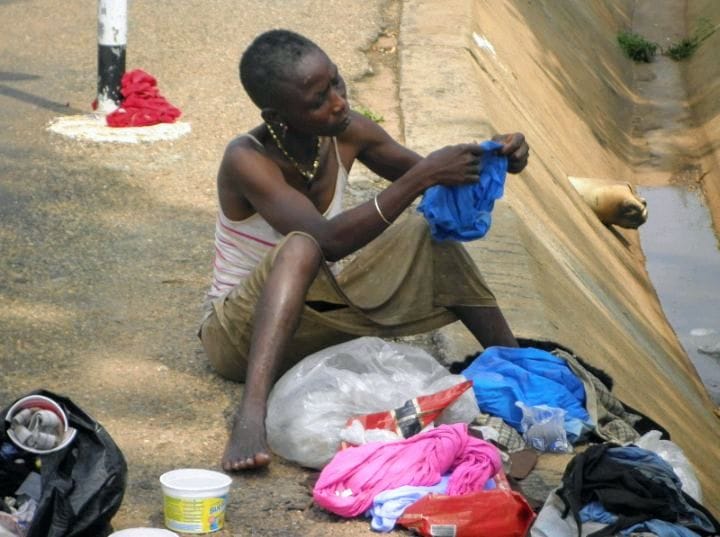
Recent data and media reports indicate a worrying rise in suicide cases, particularly among young people. Economic pressures, unemployment, academic stress, substance use, social media exposure, and family breakdown have been identified by experts as key contributors. Mental health professionals warn that without early intervention and community-level support, these trends could worsen, placing further strain on families and public health systems.
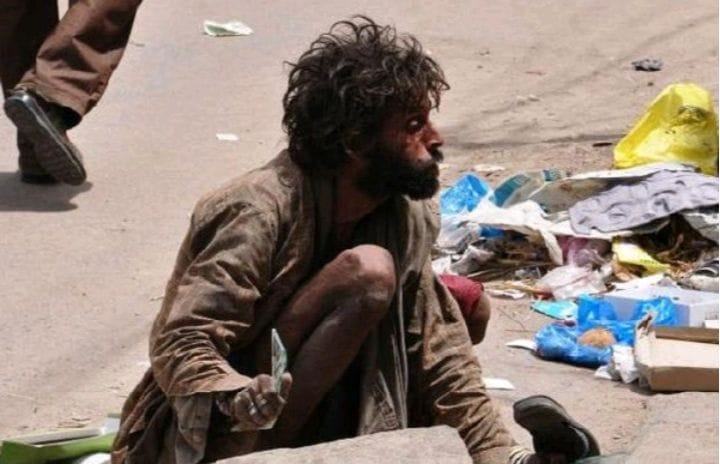
In response, Ghana has made modest but notable progress in expanding mental health services. New mental health units have been established in selected regional and district hospitals, reducing the need for patients to travel long distances to the country’s three main psychiatric hospitals in Accra, Pantang, and Ankaful. Universities are also playing a growing role, with new and expanded programmes in psychology, psychiatry, mental health nursing, and counselling aimed at building the future workforce.
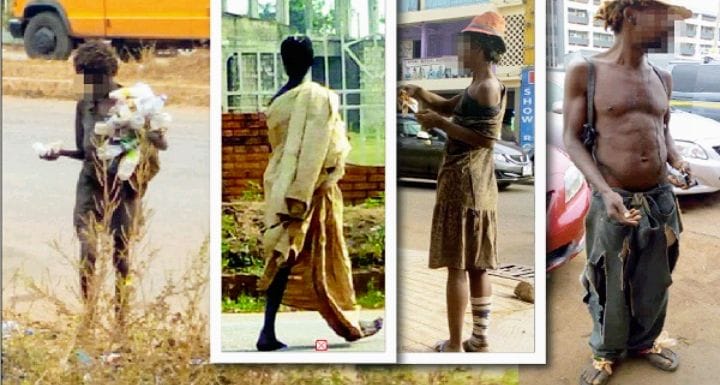
Despite these developments, serious challenges persist. Ghana continues to face a severe shortage of mental health professionals, with fewer psychiatrists, clinical psychologists, and psychiatric nurses than required to serve a population of over 30 million. Funding gaps remain a major constraint, as mental health receives a small fraction of the national health budget, limiting infrastructure development, medication availability, and outreach services. In many rural communities, access to professional care remains minimal, forcing families to rely on informal or traditional alternatives that may not always be appropriate.
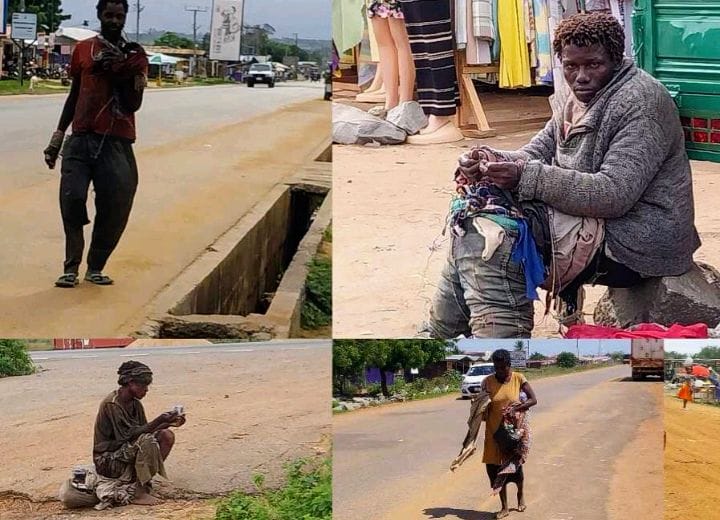
Advocacy efforts, however, are gaining momentum. Civil society organizations, mental health practitioners, faith-based groups, and the media are increasingly speaking out to reduce stigma and promote help-seeking behaviour. Campaigns emphasizing that mental health is a public health and development issue—not a moral failing—are resonating, particularly among young people. The implementation of Ghana’s Mental Health Act and the work of the Mental Health Authority continue to provide an important legal and policy framework for reform, even as enforcement challenges remain.
As Ghana navigates these competing realities, experts stress that sustained investment, stronger community-based services, and integration of mental health into primary healthcare are critical. With rising demand, expanding but limited services, persistent system gaps, and growing advocacy, Ghana’s mental health system stands at a defining moment—one that will shape the wellbeing of generations to come.



0 Comments