

Accra – Dr. Anna Safo-Adjei, a Senior Medical Officer and a Dentist at the Ofankor Government Hospital in Accra, has called on health policy makers to integrate oral health care into routine antenatal services for pregnant women. She made the appeal during an interview with Health Alert Ghana in Accra, highlighting research linking gum disease to premature births and low birth weight.

The call follows a studies done linking gum disease with premature birth and low birth weight. Such studies include one done by BMC Pregnancy and Childbirth, which found that women with gum disease are six times more likely to deliver prematurely. According to Dr. Anna Safo-Adjei, routine antenatal care often overlooks oral health, putting expectant mothers at risk. “Pregnancy is a time of heightened vulnerability. Women with existing gum issues may unknowingly trigger inflammatory processes that can affect the growth and timing of the baby’s birth,” she said.

Dr. Safo-Adjei explained that gum disease, if left untreated, leads to bacteria being transferred to the bloodstream, crossing the placental barrier, thereby spreading infection which triggers inflammatory processes that releases substances called cytokines, which can induce labor prematurely and lead to low birth weight.
She stressed the importance of early intervention. “From the moment a woman realizes she is pregnant, she should see her dentist. Ideally every individual is supposed to visit their dentist once every 6months. Routine dental check-ups can prevent complications that may arise from severe gum disease,” she emphasized.
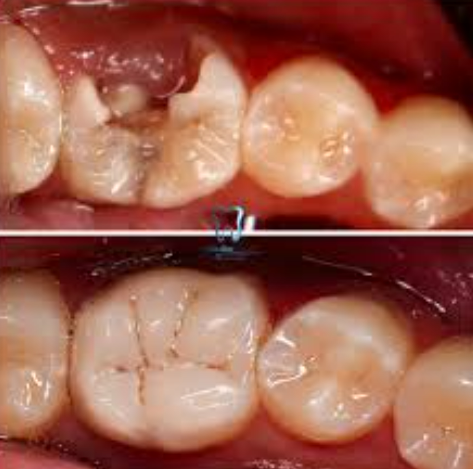
Dr. Safo-Adjei also highlighted a bidirectional relationship between pregnancy and oral health. “Just as gum disease can increase the risk of low birth weight and prematurity, pregnancy itself increases the likelihood of developing gum disease if pre-existing risk factors are present,” she explained. Such risk factor includes poor dental hygiene.
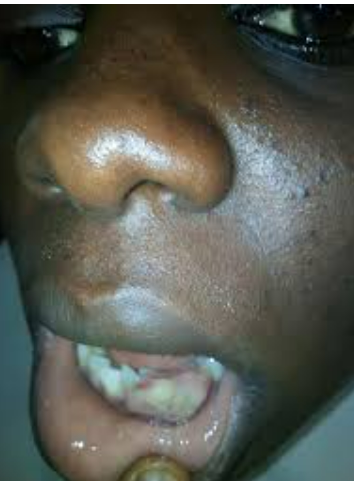
Another common oral health concern during pregnancy is Gingival Epulis, a benign growth in the gums that occurs more frequently in pregnant women. While not usually dangerous, it can exacerbate existing gum problems and make dental hygiene more challenging.
Dr. Safo-Adjei called for an integrated approach where oral health education and preventive care become part of antenatal care programs across Ghana. She urged policymakers, healthcare workers, and expectant mothers to recognize the critical connection between oral health and pregnancy outcomes. “Addressing oral health proactively is not just about keeping teeth healthy—it is a vital step in ensuring safer pregnancies and healthier babies,” she concluded.
Experts agree that routine dental visits, maintaining high standards of oral hygiene through proper brushing, flossing, professional dental cleaning and early treatment of gum issues can significantly reduce risks associated with preterm births and low birth weight. With proper awareness and care, Dr. Safo-Adjei believes that Ghana can prevent avoidable complications linked to pregnancy-related gum disease.



0 Comments