
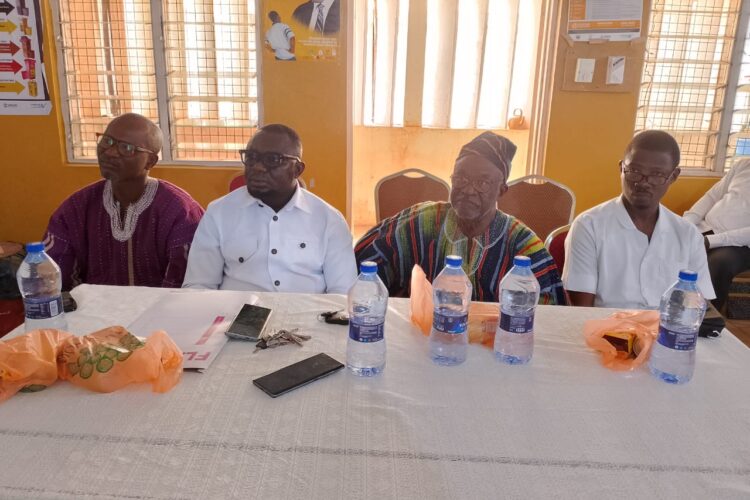
The Medical Superintendent of Bole District Hospital, Dr. Johnathan Wadeyir Abesig, presented the hospital’s 2025 annual performance report, noting notable improvements in service delivery despite facing industrial actions and tribal conflicts during the year.
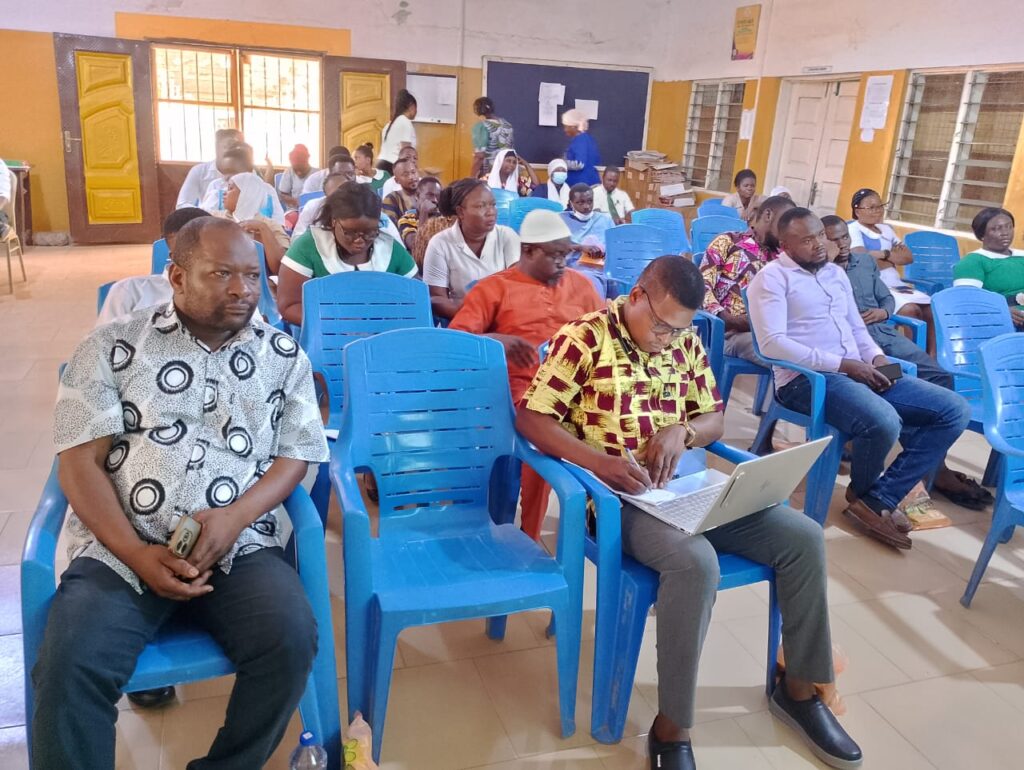
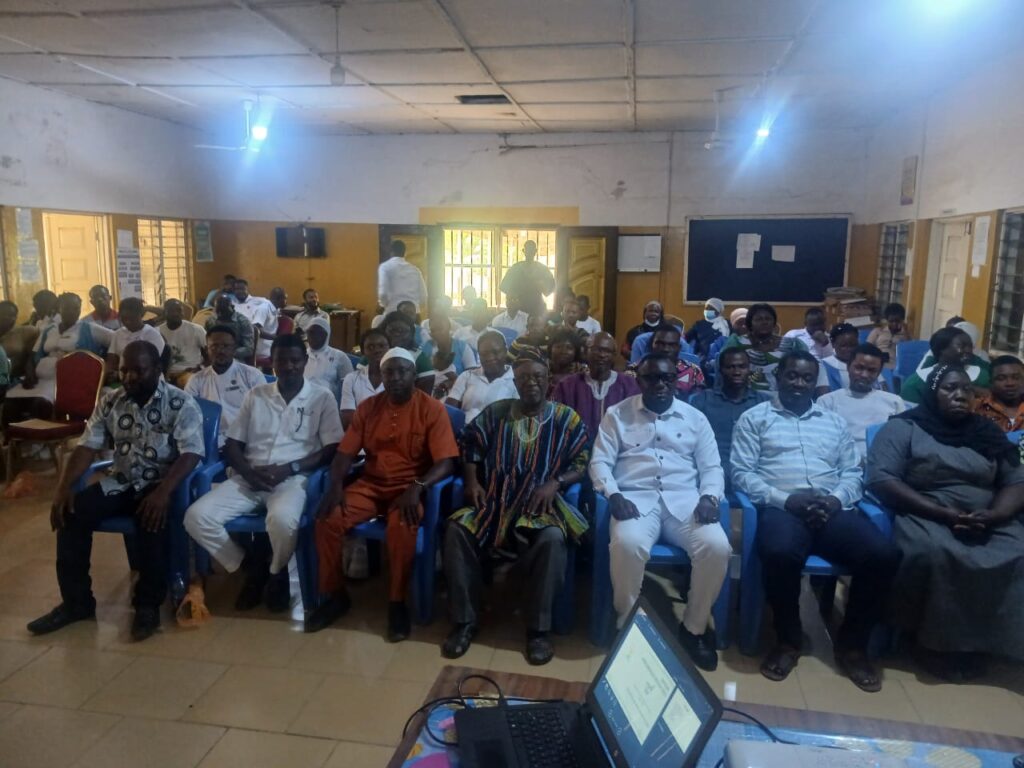
During the annual performance review on February 18, 2026, he told staff, stakeholders, and the media that the review aimed to evaluate progress, identify gaps, and improve strategic planning for better healthcare.

He stated that this review process improves accountability, transparency, boosts staff morale, and promotes a culture of ongoing quality enhancement to ultimately benefit patient outcomes.
The report shows Out-Patient Department (OPD) attendance increased from 40,854 in 2024 to 43,440 in 2025, a 6.3% rise. Of these, 88% were insured under the National Health Insurance Scheme, and 12% paid cash.
The Superintendent highlighted that women represented 70% of OPD visits, while men accounted for 30%, indicating a need to address poor health-seeking behaviors among men. Emergency cases grew from 1,323 in 2024 to 1,489 in 2025. Despite more cases, mortality slightly decreased from 134 in 2024 to 130 in 2025.
However, 62 percent of the recorded deaths were males. “This suggests that men often report to the hospital only when their conditions are critical,” the Superintendent observed. The hospital recorded 1,510 skilled deliveries in 2025, up from 1,399 in 2024.
Maternal mortality dropped from 346.5 per 100,000 live births in 2024 to 64.5 per 100,000 in 2025. Management attributed this improvement to operational research conducted in 2024 on respectful maternity care and the subsequent implementation of its recommendations. A total of 716 surgeries were performed in 2025, compared to 648 the previous year. Of these, 349 were Caesarean sections. The hospital also successfully repaired two fistula cases and carried out complex surgeries including hysterectomies and myomectomies.
The hospital’s laboratory services improved significantly, moving from a zero-star rating to a two-star rating under the International Standards for Laboratory quality assessment system. The Superintendent described this as a major milestone, noting that only 23 laboratories nationwide are recognised under the international quality categorisation system.
Hepatitis B prevalence among clinical cases decreased slightly from 9.8 percent in 2024 to 9.2 percent in 2025. Hepatitis C dropped from 8.1 percent to 7.2 percent, while HIV prevalence declined from 5.6 percent to 5.0 percent. Among blood donors, Hepatitis B prevalence stood at 5.7 percent, Hepatitis C at 2.2 percent, and HIV at 0.6 percent.
The Superintendent expressed serious concern about blood donation levels. Out of 1,614 units of blood transfused in 2025, only 39 units were from voluntary donors, noting that none are from the immediate community.
He revealed that voluntary donations mainly came from organised groups including the IGP Specialized Operations Unit and nursing training institutions, costing the hospital GH¢3,500 to mobilise some of these donations, a move currently under audit scrutiny.
He emphasised that the hospital does not sell blood but only charges for laboratory processing, urging independent verification to address public concerns. “With both Christians and Muslims entering fasting periods, voluntary blood donation may further decline. We need community support to sustain this vital service,” he appealed. Despite recording 1,510 deliveries, the hospital operates with fewer than 20 midwives, with 2 at the antenatal unit, 12 at the maternity, and 4 stationed in the gynaecology ward.
Management praised staff sacrifices, noting some routinely work beyond their scheduled hours to maintain services. The hospital maintained a 97 percent medicines availability rate throughout 2025, close to the 100 percent target.
The Superintendent commended the National Health Insurance Scheme, noting that 88 percent of services were provided to insured clients. However, he revealed that three months of NHIS claims remain delayed due to administrative issues, affecting the hospital’s finances.
He concluded by thanking traditional leaders, assembly members, management, staff, and the media, especially Bole-based Nkilgi FM, for their ongoing support. Despite financial constraints and operational challenges, he reaffirmed the hospital’s commitment to delivering quality healthcare and expressed hope that 2026 will bring renewed strength, improved staff welfare, and better service delivery for Bole and its surrounding communities.
Story by Joachim, Nkilgi FM – Savana.



0 Comments