
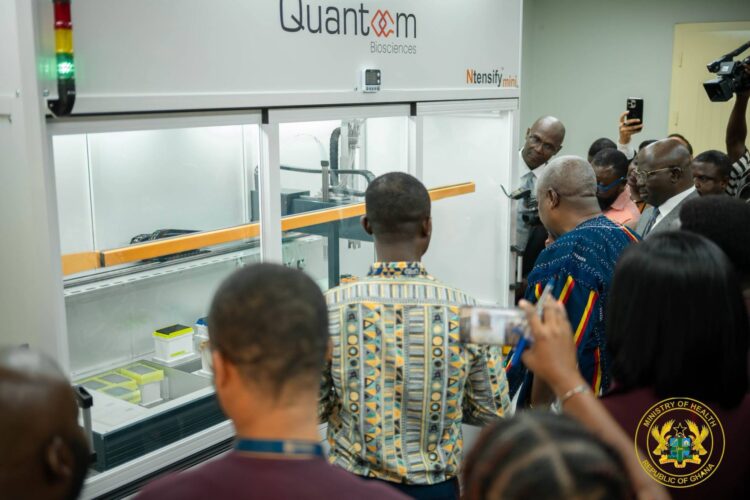
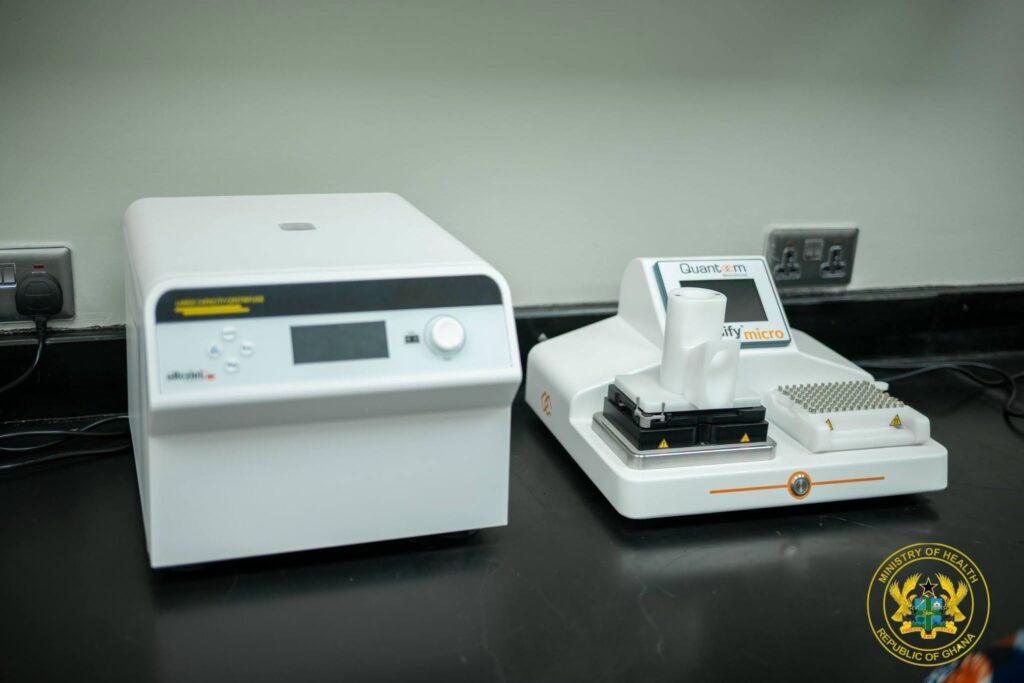
Ghana is establishing a national Human Identification Laboratory at the Noguchi Memorial Institute for Medical Research to conduct DNA testing for criminal investigations, disaster victim identification and disputed family relationships.
The facility, popularly known as the DNA Laboratory, will provide local testing services for forensic investigations, paternity and maternity disputes, and inheritance-related cases. It is expected to reduce the country’s reliance on foreign laboratories for specialised DNA analysis.
President John Dramani Mahama, who commissioned the facility alongside new vaccine research and development laboratories, said the investment would address a longstanding gap in Ghana’s forensic and emergency response systems.
He cited the August 2025 helicopter crash, which claimed eight lives, as an example of the country’s limited capacity to conduct DNA analysis locally. He said tissue samples recovered from the crash site had to be transported to South Africa for testing, leaving families waiting several days for identification results.

Describing the experience as a moment of shame for Ghana, President Mahama said the new facility would enable the country to handle similar incidents more quickly and independently.
Health Minister Kwabena Mintah Akandoh said the laboratory was established in response to a directive from the President following the helicopter disaster.
He explained that although Ghana had qualified scientists capable of conducting DNA analysis, the country lacked the specialised equipment required to carry out the tests locally.
On the vaccine research and development facilities, Mr Akandoh said they would strengthen Ghana’s capacity to train vaccine producers locally. He added that the first vaccines bottled in the country were expected to be available on the market in 2027.
Chief Executive Officer of the National Vaccine Institute, Dr Sodzi Sodzi-Tettey, said Ghana was making progress towards establishing a sustainable vaccine manufacturing ecosystem.
He disclosed that the first of three bulk substances required for the targeted vaccine production was already in the country at Atlantic LifeSciences.
He said the government was also pursuing long-term procurement arrangements to guarantee a market for vaccines manufactured locally.
The DNA laboratory and vaccine research facilities form part of efforts to strengthen Ghana’s domestic scientific capacity, improve health security and reduce dependence on foreign expertise and supplies.



0 Comments