
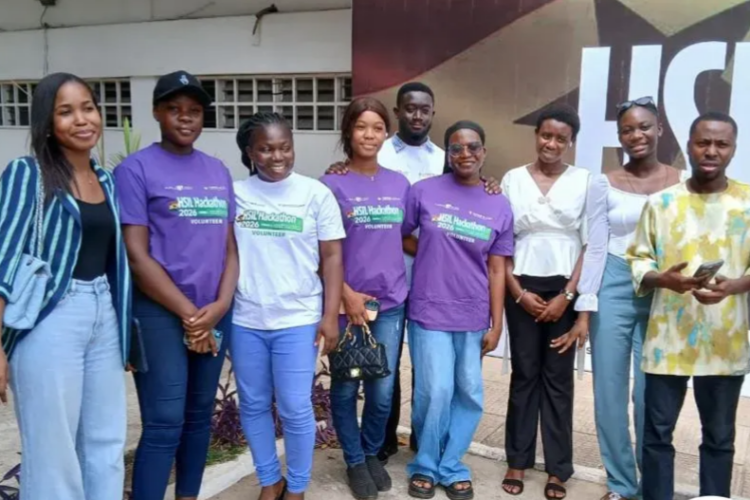
The Health Systems Innovation Lab (HSIL) Hackathon 2026 – Ghana Edition has been officially launched, marking a significant step toward leveraging artificial intelligence (AI) to strengthen the country’s healthcare system. Held under the theme “Building High-Value Health Systems: Leveraging Artificial Intelligence,” the event brought together stakeholders across academia, healthcare, and technology for a two-day challenge session.
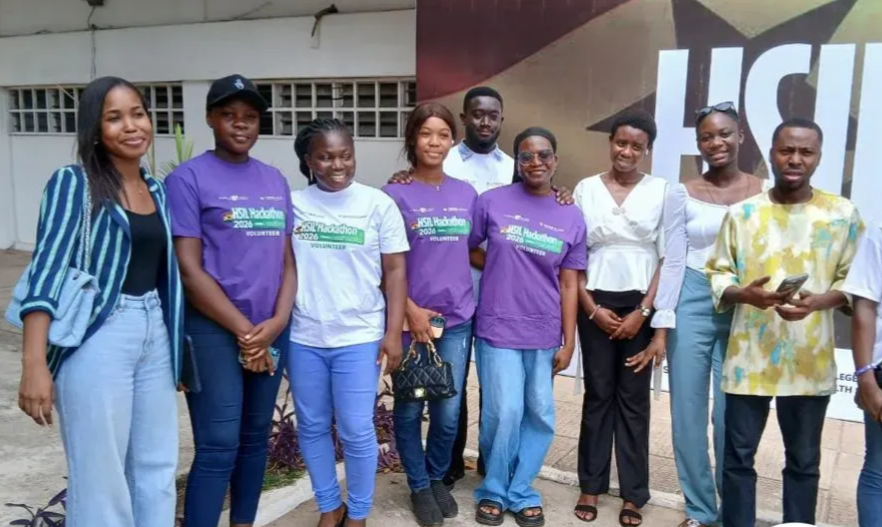
Delivering the welcome speech on behalf of Dr. Priscilla N. Otuo, Coordinator of UGBS Nest, Ms. Sylvia Nyarko, the Programme lead, noted that the HSIL Hackathon has been successfully implemented globally over the past six years. She emphasized that Ghana’s participation this year represents its first entry into the initiative, creating new opportunities for local innovators to contribute to global health solutions.
She explained that the hackathon aims to bring together students, clinicians, researchers, and technologists to develop practical, AI-driven solutions to pressing healthcare challenges. Ms. Sylvia encouraged participants to generate innovative ideas and present them for selection, with the most promising teams expected to represent Ghana at the international level.

In a keynote address, the Head of IT department Mr. Hammond Sarkwa of the Service outlined a strategic vision to transform healthcare delivery through the adoption of artificial intelligence. He highlighted the GHS Digital Health Policy (2023–2027) as a critical framework designed to address gaps in healthcare access and service delivery, particularly in underserved communities.
According to him, achieving Universal Health Coverage in Ghana will require addressing inequities, improving maternal health outcomes through early risk detection, and strengthening disease surveillance, supply chains, and health information systems. He underscored the importance of integrating AI into existing platforms such as DHIMS2 and GHIMS to enhance data use, support timely decision-making, and improve overall health outcomes.

He further urged participants to develop solutions that are practical, scalable, and tailored to Ghana’s context. He highlighted key areas including AI-powered telemedicine, decision-support tools for health workers, multilingual patient feedback systems, and predictive analytics for outbreak detection and supply chain management. He also stressed the need for innovations that can operate in low-bandwidth environments, accommodate varying levels of digital literacy, and integrate seamlessly with existing systems.
The event marks the beginning of a collaborative effort to harness innovation and reimagine Ghana’s health system through technology-driven solutions
Source: GHS



0 Comments