

The Service, with support from the UK Government through the Tackling Deadly Diseases in Africa Programme Phase 2 (TDDAP-2), has made progress toward strengthening Ghana’s emergency preparedness and response systems through a Stakeholder Finalization Workshop held in Accra.
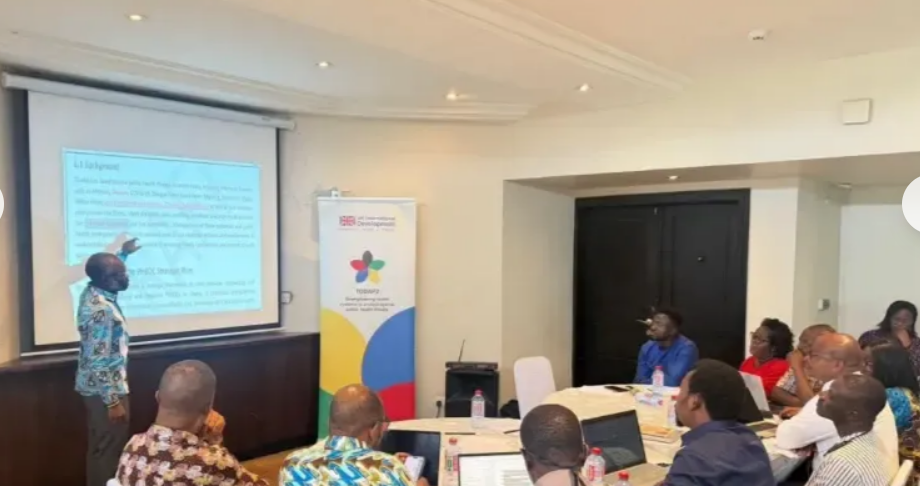
The workshop brought together key stakeholders from across sectors to refine and complete Ghana’s Five-Year Strategic Plan for the establishment and operationalization of National and Regional Public Health Emergency Operations Centres (PHEOCs). The engagement focused on consolidating recommendations from earlier consultations, aligning strategic priorities, and positioning the document for approval, signing, and nationwide dissemination.
Delivering the welcome address on behalf of the Director-General and the Director of Public Health, Dr. Kwame Amponsa-Achiano, Deputy Director for Disease Control, emphasized the importance of strong emergency response systems in protecting public health. He noted that sustained collaboration among stakeholders is essential in developing a practical and results-driven framework that can effectively respond to emerging health threats.

In remarks from partners, Dr. Esther Odame, country lead for TDDAP-2, conveyed greetings from the UK Government and acknowledged the contributions made during the validation phase of the Strategic Plan. She encouraged stakeholders to ensure that the final document reflects shared priorities and delivers measurable impact for national health security.
The workshop discussions reflected growing concerns around emerging and re-emerging public health threats, while drawing on lessons from previous emergencies to inform future responses. Attention was also given to strengthening institutional capacity and embedding PHEOCs within Ghana’s health system to improve coordination, efficiency, and timely response.
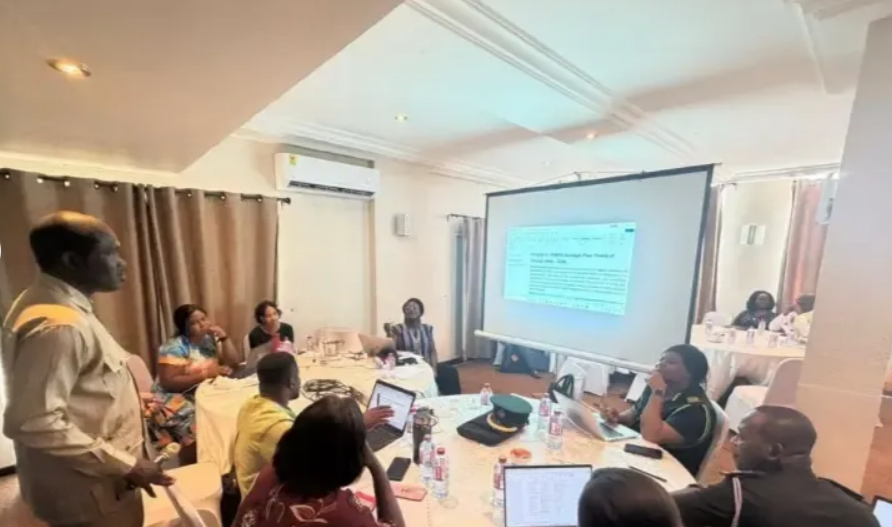
A strategic overview of the plan was presented by Dr. Lawrence Lartey, Head of PHEOC at the Ghana Health Service, who outlined its structure, key priorities, and implementation approach, along with the focus areas captured across its chapters.
The engagement brought together key institutions, including the Veterinary Services Department, Environmental Protection Authority, Ghana Ports and Harbours Authority, National Disaster Management Organisation (NADMO), University of Ghana School of Public Health, Korle Bu Teaching Hospital, the National Ambulance Service, Ministry of Finance.
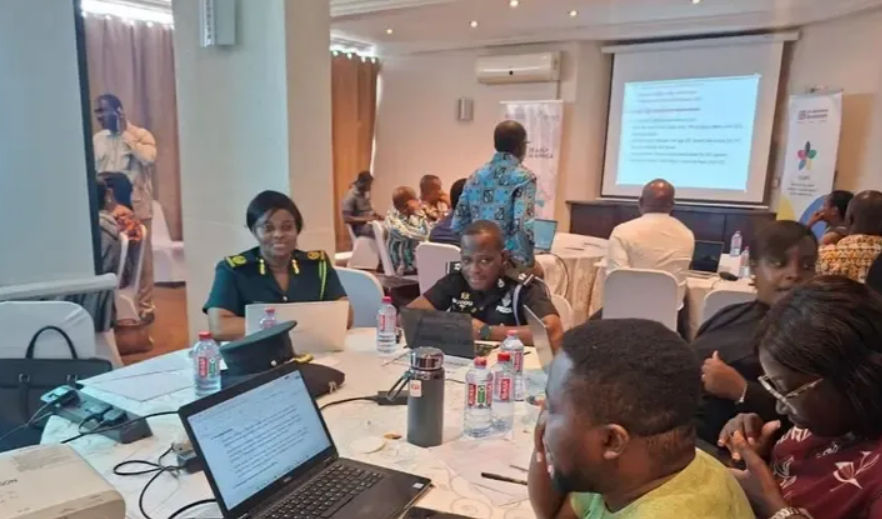
Once approved and launched, the Strategic Plan will provide a clear roadmap for the development and operation of emergency response systems across the country, supporting a more resilient and responsive health sector.



0 Comments