
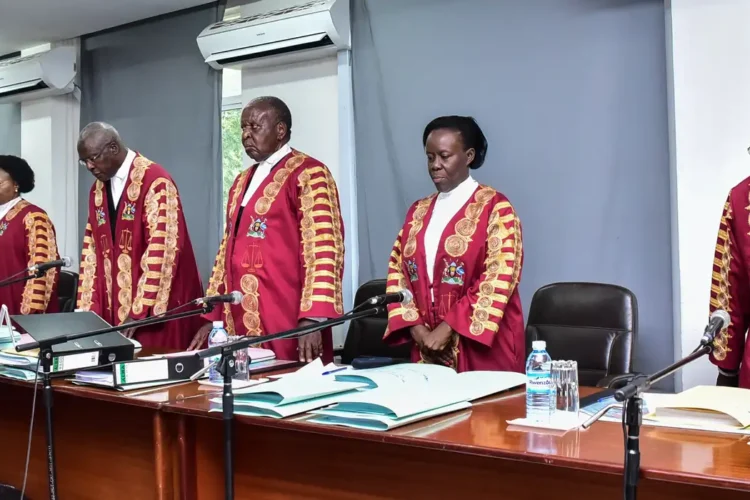
In a landmark decision, the High Court in Jinja, Uganda, has ordered the AIDS Support Organisation (TASO), Jinja branch, to pay Shs190 million (approximately $50,000) to a man who was wrongly diagnosed as HIV-positive and placed on antiretroviral therapy (ART).
The ruling highlights the serious consequences of medical misdiagnosis, which in this case caused not only unnecessary medication but also emotional distress and social stigma for the plaintiff.
The case at a glance
According to court records, the man visited TASO’s Jinja branch for HIV testing and was told he was HIV-positive. On that basis, he was immediately started on lifelong antiretroviral treatment. After experiencing unexpected health complications, he sought a second opinion, which revealed that he was in fact HIV-negative.
The court found that TASO’s failure to verify the diagnosis before administering treatment constituted negligence, with far-reaching implications for the man’s health and personal life.
A warning to healthcare providers
Justice [Name], presiding over the case, noted that healthcare providers have an ethical and legal responsibility to ensure accurate diagnosis. “Medical errors in HIV testing are not minor oversights,” the judgment stated. “Failure to confirm a positive diagnosis before beginning treatment can have lifelong consequences.”
The ruling serves as a strong reminder to clinics, hospitals, and HIV support organisations across the region to prioritise patient safety, follow confirmatory testing protocols, and provide proper counselling before initiating treatment.
the human cost
Beyond the financial compensation, the case exposes the personal toll of misdiagnosis. The plaintiff reportedly suffered emotional trauma, physical complications from unnecessary medication, and social stigma — challenges that continue to affect his life.
Medical experts emphasise that while ART has revolutionised HIV treatment globally, errors in testing and patient management can create serious physical, emotional, and social consequences.
Looking ahead
TASO, one of Uganda’s most recognised HIV support organisations, now faces the task of restoring public trust in its services. The high court ruling may prompt other health facilities in East and West Africa to review testing protocols, strengthen confirmatory procedures, and improve patient counselling to avoid similar legal and social fallout.
The case is a clear signal: accurate diagnosis, patient verification, and ethical medical care are not optional. They are mandatory.
By Isabirye Simon Peter


0 Comments